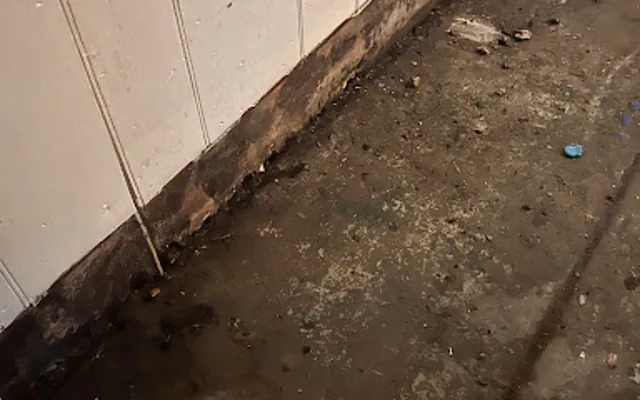
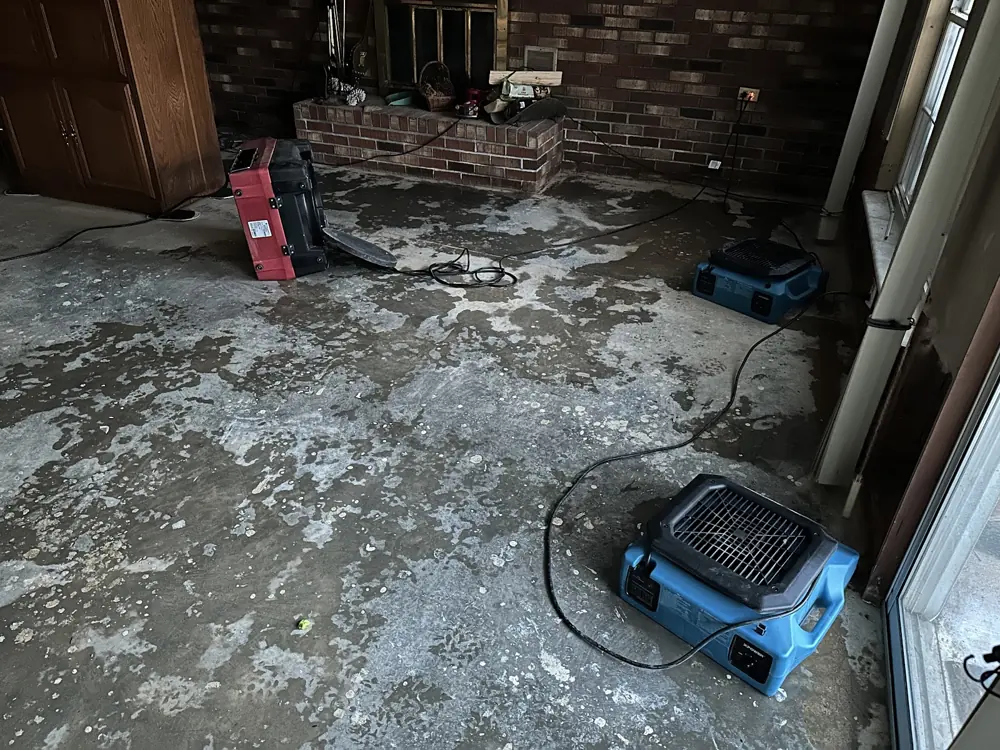
A toilet overflow spreads water fast across the bathroom floor and into the room below, and a backup adds contamination. Local crews extract the water, disinfect where needed, and dry the structure thoroughly.

Technicians determine whether the water is clean or contaminated, contain the area if a backup is involved, and shut off the supply before extraction begins.
Standing water is removed, and when the overflow is contaminated, porous materials that cannot be safely disinfected are taken out and disposed of. The area stays contained the whole time.
Hard surfaces are cleaned and treated with antimicrobial agents when contamination is present, then industrial air movers and dehumidifiers dry the floor, subfloor, and walls.
Removed flooring or drywall is rebuilt once dry, and the area is finished so the bathroom returns to a clean, safe, and verified dry condition.

While help is on the way, these first steps, done only where it is safe, limit the damage and protect the insurance claim.
Shut the supply off at the source, or close the home's main valve if the source is not obvious. Stopping the flow limits the damage more than anything else.
Switch off electricity to the affected area, but only if the breaker can be reached without standing in or touching the water.
Get a crew dispatched right away. The sooner extraction and drying begin, the more flooring, drywall, and belongings can be saved.
Take photos and a short video of the water and the affected rooms before anything is moved, so the insurance claim starts strong.
Toilet overflow cleanup in Spokane usually costs $700 to $4,000, depending on whether the water was clean or a contaminated backup, how far it spread, and whether it reached the room below. A clean overflow caught early sits low, while a contaminated backup through finished space costs more. Sudden overflows are often covered by insurance, and the crew documents the cause and moisture readings for the carrier.
Crews reach Spokane, Spokane County, and the nearby Inland Northwest fast, from Browne's Addition, the South Hill, and Kendall Yards to Spokane Valley, Liberty Lake, Cheney, and Airway Heights. See the full list on the areas served across Spokane page.
See all areas servedEvery loss is photographed, measured, and logged from the first visit, so the paperwork holds up with the insurance carrier.
Technicians follow recognized IICRC drying standards and prove it with daily moisture readings on Spokane homes, not guesswork.
Emergency dispatch any hour of the day or night, with a real crew on the way across the Inland Northwest, not a callback in the morning.
A real crew dispatched any hour, not a callback in the morning.
Trained technicians following recognized IICRC drying standards.
Truck-mounted, portable, and submersible for any size loss.
The loss is documented and billed to the carrier directly.
Stop the flow by turning off the supply valve at the base of the toilet or lifting the tank float, then shut the lid. Keep people away if the water looks contaminated. Clear what you can from the floor and call for cleanup, since water spreads under the flooring and into the room below faster than surface mopping can address.
It depends on the cause. An overflow from a stuck fill valve is clean category one water, but one caused by a sewer or drain backup is contaminated category three water carrying bacteria and pathogens. Crews determine the source on arrival, because a backup requires containment, disinfection, and safe removal of porous materials, not just extraction and drying.
Yes, especially from an upstairs bathroom. The water spreads across the floor and finds the gaps around the toilet base and plumbing, then travels through the floor into the ceiling cavity below, staining and softening the drywall. That is why crews check the level beneath the bathroom rather than drying only the visible floor.
It can. Water soaks the subfloor and the enclosed area around the toilet base and vanity, where it stays damp and hidden with little airflow, letting mold begin within a day or two. Crews dry these spaces to verified readings and, when contamination is involved, disinfect thoroughly so mold and bacteria do not remain.
A sudden, accidental clean-water overflow is often covered, and a contaminated backup overflow may need a separate backup rider. Coverage varies by policy. The crew documents the cause, the water category, moisture readings, and photos so the adjuster has a clear record to evaluate the claim under your coverage.
Spokane crews are on call 24 hours a day, local and fast, and can be on the way within the hour.
Call (509) 383-0993