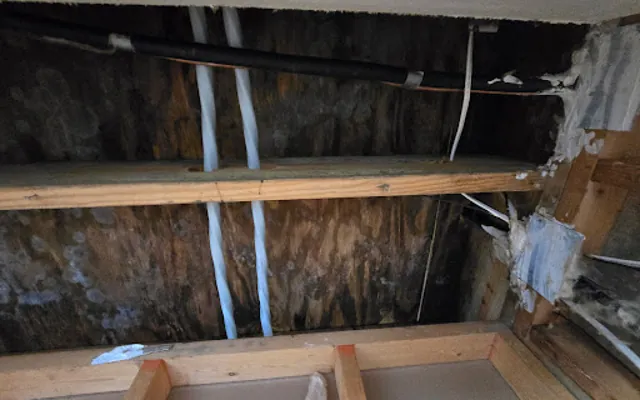
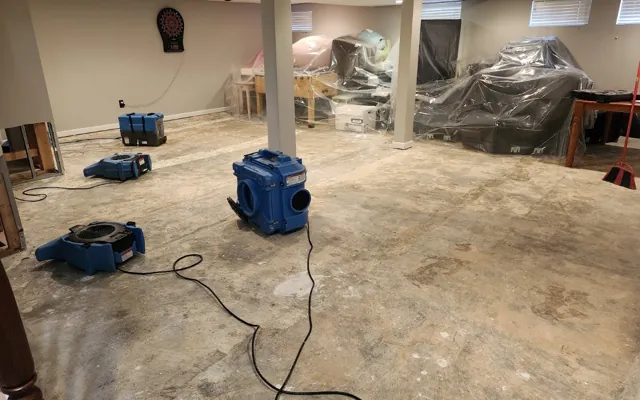
Local crews in Browne's Addition, WA respond fast to ice dam water damage, tracing meltwater and drying historic homes. They follow IICRC-standard methods to protect plaster walls and original woodwork from rot and mold after winter storms.

Technicians first find where water entered from the roof, using probes and meters to map moisture hidden in plaster lathe, attic insulation, and ceiling cavities. This shows the full scope of the intrusion in the old home.
Saturated attic insulation and any softened plaster or drywall are removed. Then, industrial air movers and dehumidifiers dry the exposed historic framing and sheathing to prevent warping and decay in the structure.
Crews apply antimicrobial solutions to any wood showing mold growth. Once dry, they rebuild insulation and wall finishes, and can advise on roof venting or insulation to help protect the historic home from future ice dams.

Ice dam water damage cleanup in Browne's Addition typically runs $1,500 to $7,500, depending on how far meltwater traveled, how much insulation and drywall must be replaced, and whether the same spot was wetted repeatedly through the winter. A single contained leak sits low, while intrusion across the attic and multiple ceilings costs more. Sudden ice dam damage is often covered by insurance, and the crew documents readings and photos for the carrier.
In Browne's Addition, WA, historic Victorian homes face a hidden threat each winter. Ice dams on aged roofs can force meltwater behind plaster walls and into full basements, causing slow, damaging leaks that saturate old insulation and framing. This damage often goes unseen until plaster sags or stains appear on ornate ceilings. Century old plumbing and supply lines in Browne's Addition homes are vulnerable. Spokane's cold, snowy winters create thick ice dams on complex historic rooflines. When those dams melt, water is forced under shingles and into the aging structures behind the neighborhood's beautiful facades. From Browne's Addition, crews also cover nearby Kendall Yards, Peaceful Valley, Riverside, Cliff/Cannon, West Central, Logan. See every neighborhood and town on the full service area page.
See all areas servedEvery loss is photographed, measured, and logged from the first visit, so the paperwork holds up with the insurance carrier.
Technicians follow recognized IICRC drying standards and prove it with daily moisture readings on Browne's Addition homes, not guesswork.
Emergency dispatch any hour of the day or night, with a real crew on the way across the Inland Northwest, not a callback in the morning.
A real crew dispatched any hour, not a callback in the morning.
Trained technicians following recognized IICRC drying standards.
Truck-mounted, portable, and submersible for any size loss.
The loss is documented and billed to the carrier directly.
In many cases, yes. Sudden damage from ice dam meltwater is often a covered peril. Local crews document the source and all damage with moisture readings and photos, which helps support the claim with the insurance carrier for Browne's Addition homeowners.
Drying a historic home in Browne's Addition typically takes 3 to 5 days, but it depends on the extent. If water traveled into wall cavities or the basement, it can take longer. The crew monitors progress daily until all materials meet the dry standard.
Crews are on call 24 hours a day and can be on the way to Browne's Addition within the hour.
Call (509) 383-0993